
Cooling knowledge for engineers
Practical guides, technology explainers and best practices from our engineering and service teams.
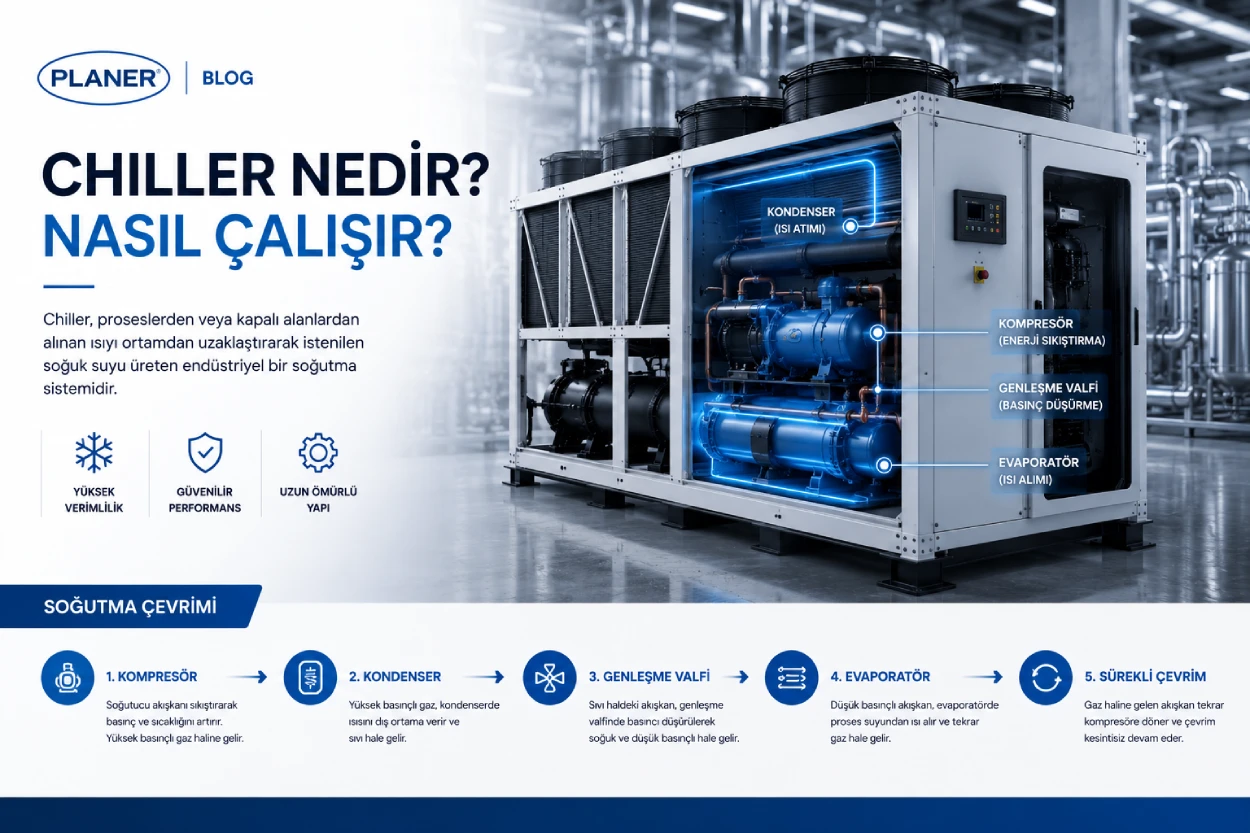
What Is a Chiller and How Does It Work? A Fundamental Guide
What is a chiller and how does it work? A clear guide to the refrigeration cycle behind industrial water and process cooling, plus the main chiller types.
Read more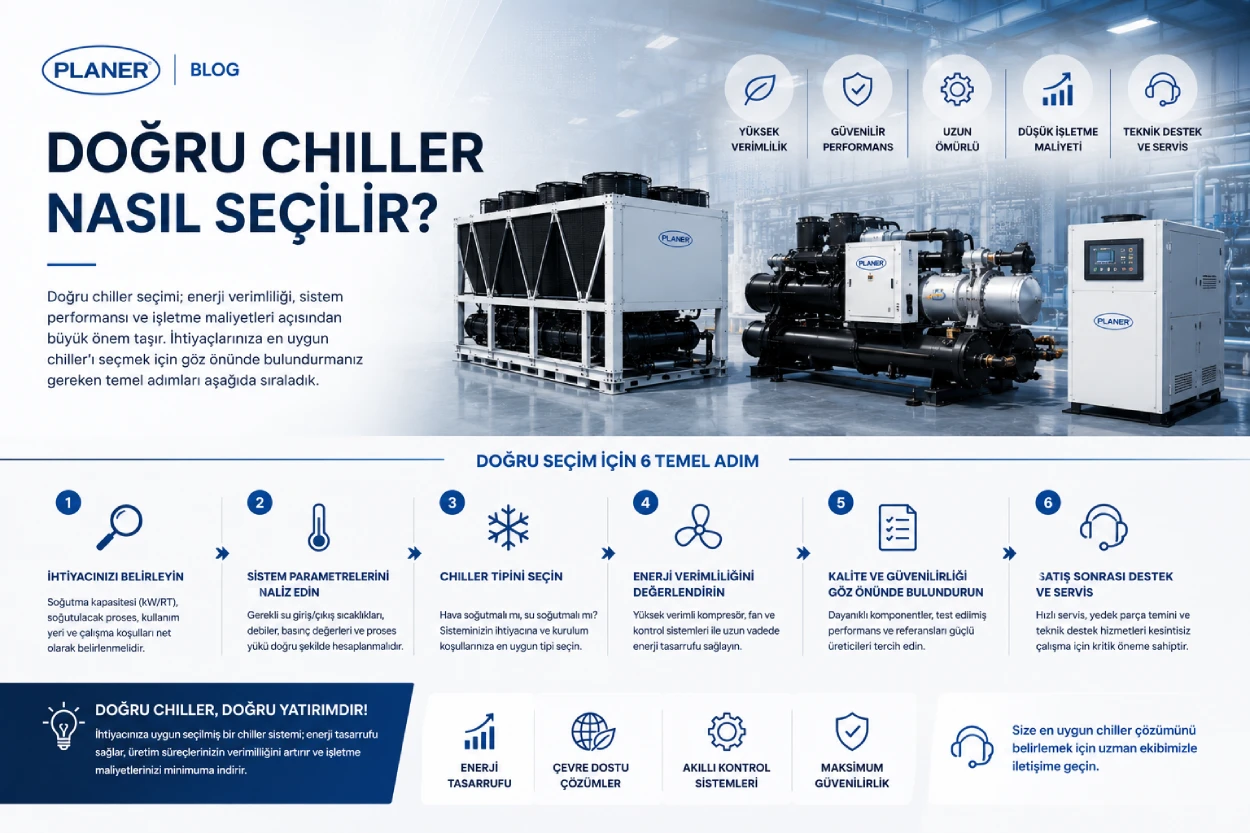
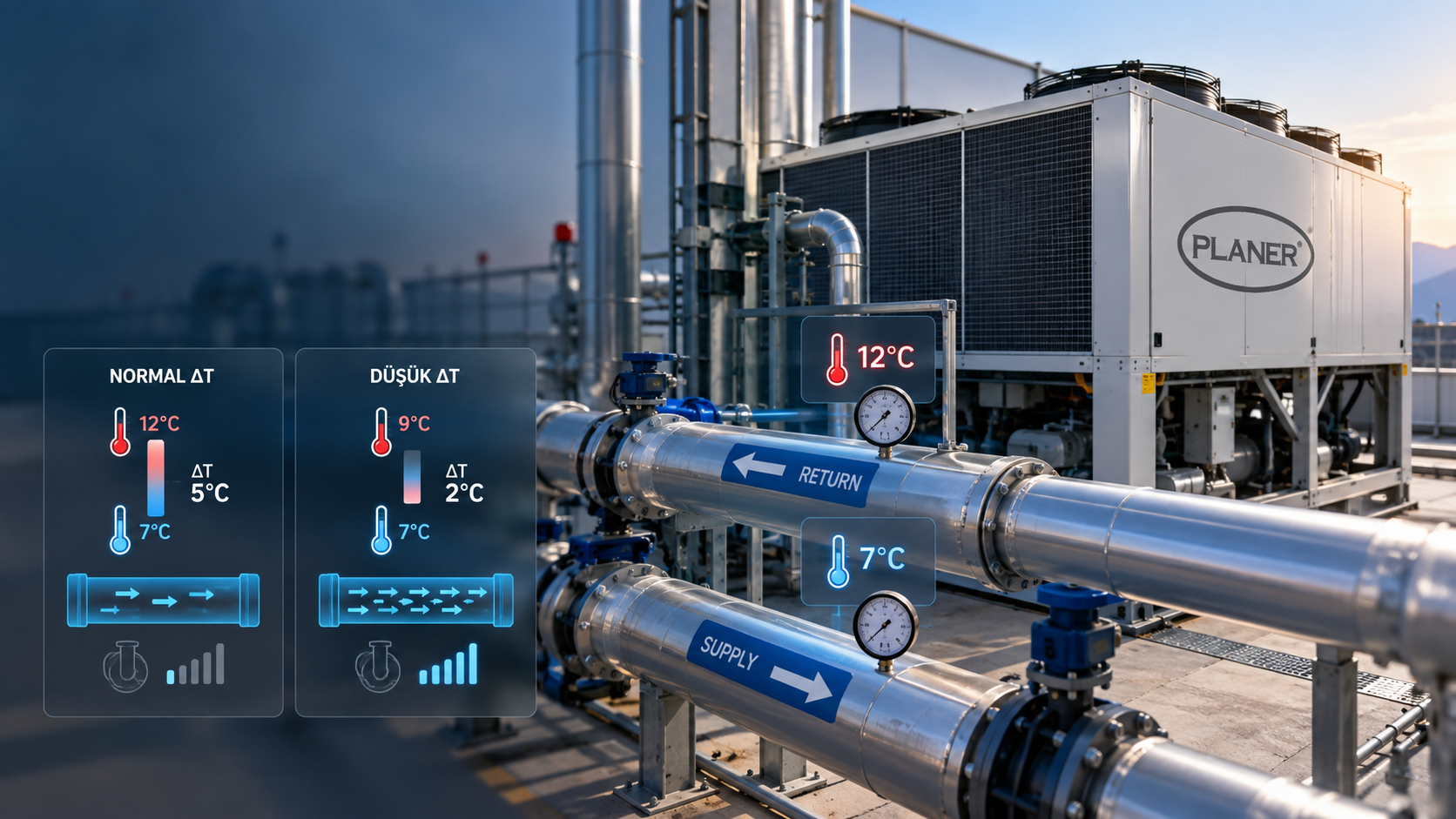
How to Choose the Right Chiller: What kW Capacity Does Your Plant Need?
How to select the right chiller: learn step by step how to calculate cooling load, chiller capacity, ΔT and safety margin to size the exact kW your plant needs.
Read more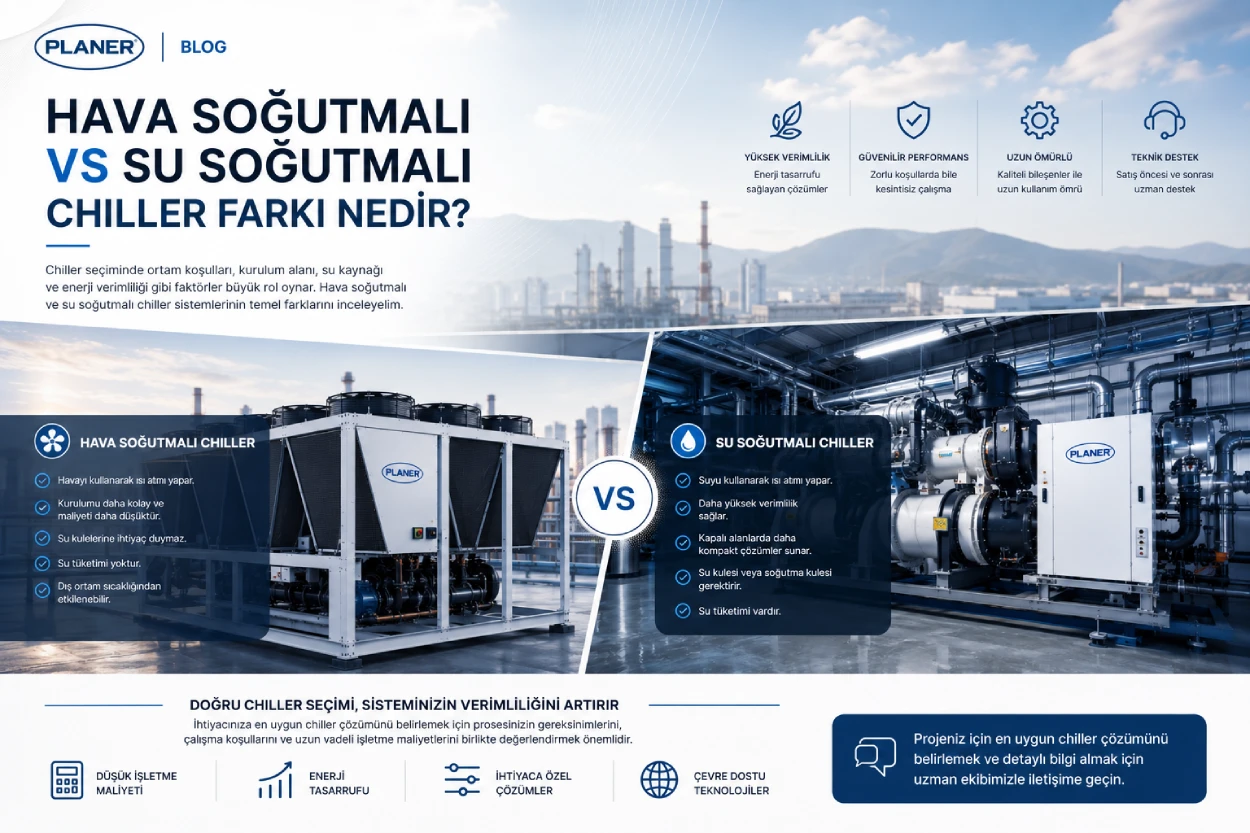
Air-Cooled vs Water-Cooled Chiller: Which Is Right for You?
Compare air-cooled and water-cooled chillers across installation, efficiency, water demand, maintenance and cost to choose the right cooling technology.
Read more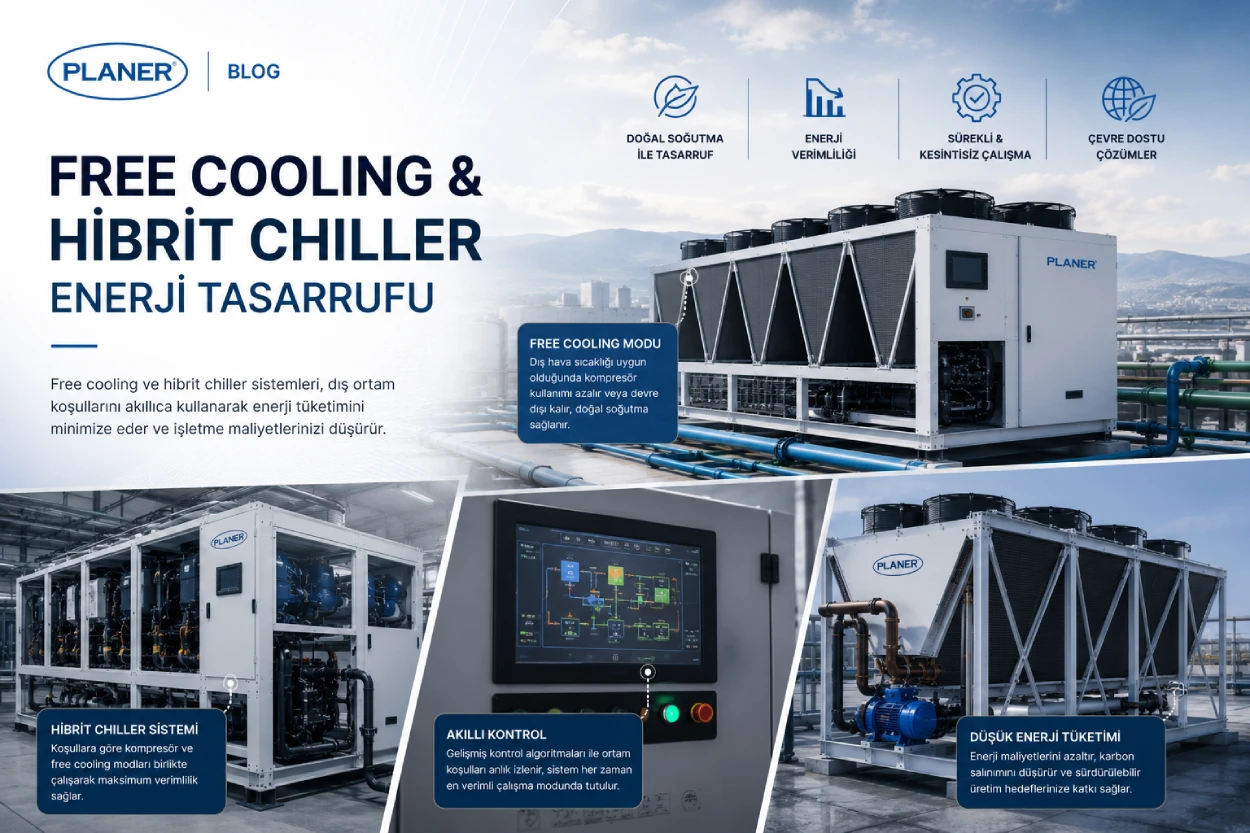
Chiller Energy Savings with Free Cooling and Hybrid Chillers
Learn how free cooling and hybrid chillers deliver chiller energy savings, how free cooling works, and the conditions under which operating costs fall fastest.
Read more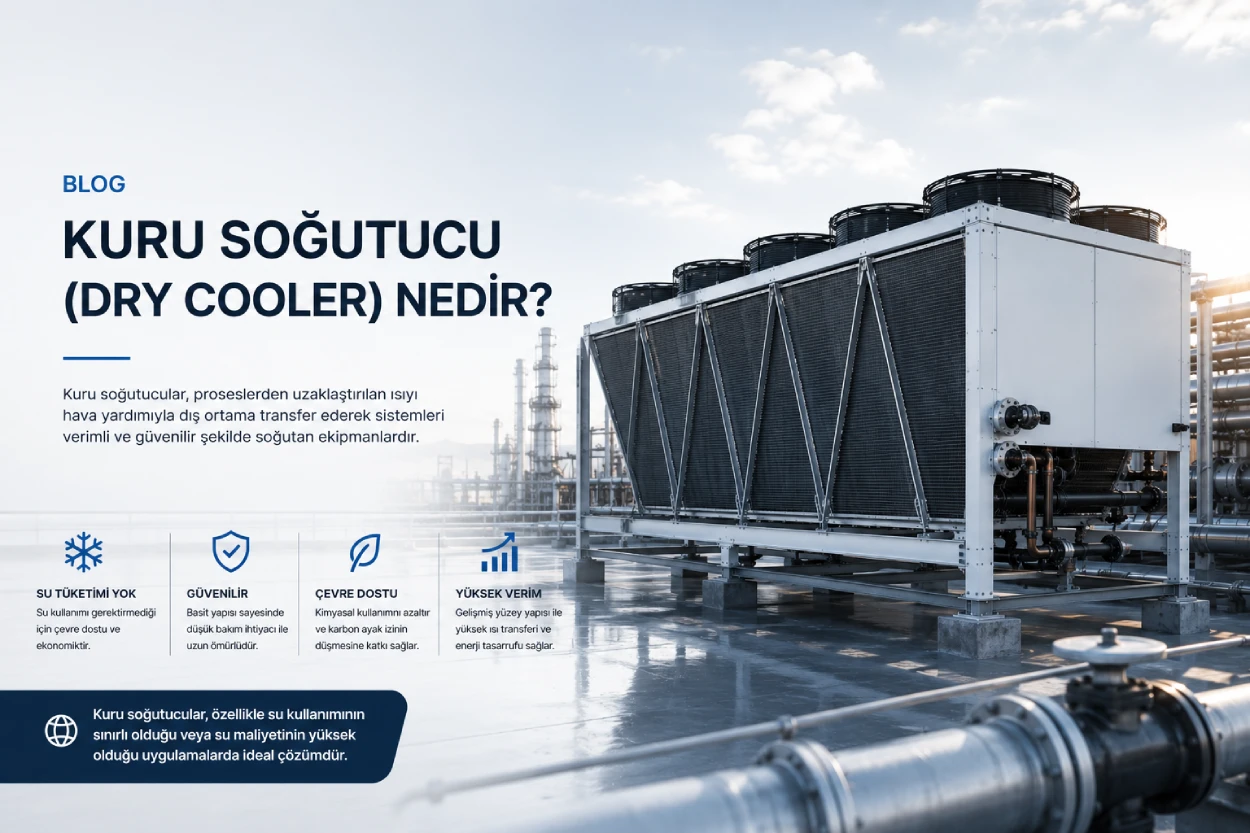
What Is a Dry Cooler and How Does It Work?
What is a dry cooler, how does it work, and how does it differ from a cooling tower or a chiller? We explain its design, working principle, and applications.
Read more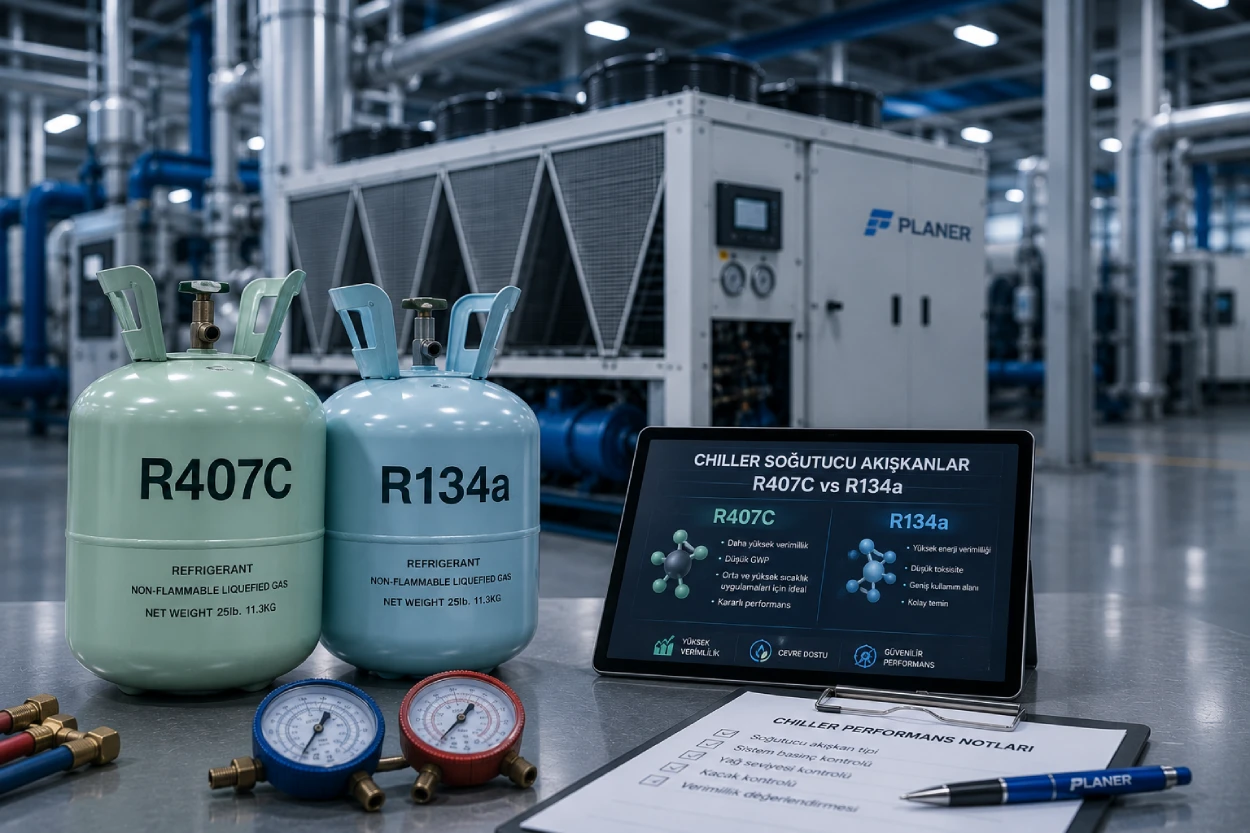
Chiller Refrigerants Explained: R407C, R134a and the F-Gas Rules
Learn what a chiller refrigerant is, where R407C and R134a are used, and how the F-Gas regulation is driving the shift toward low-GWP chiller gases.
Read more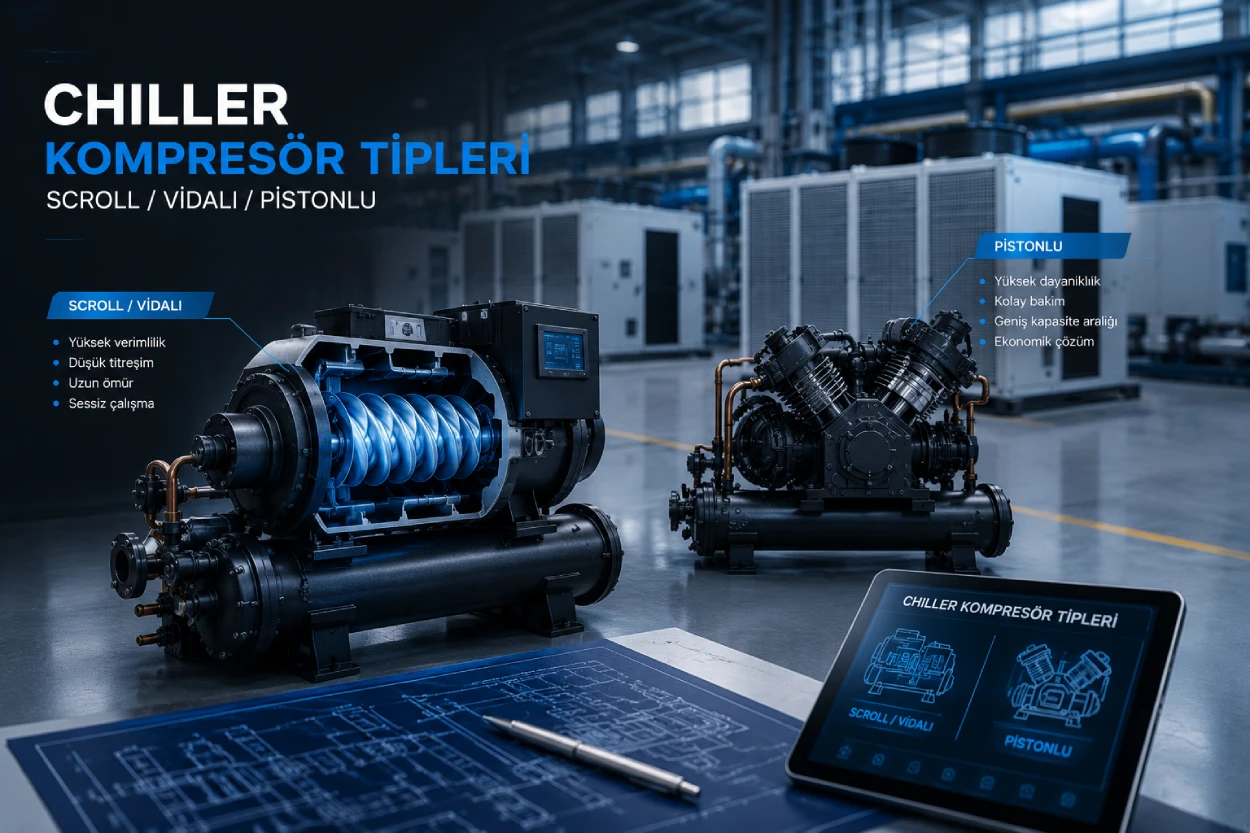
Chiller Compressor Types: Scroll, Screw, and Reciprocating
A practical engineering comparison of chiller compressor types — scroll, screw, and reciprocating — across capacity, part-load efficiency, noise, and maintenance.
Read more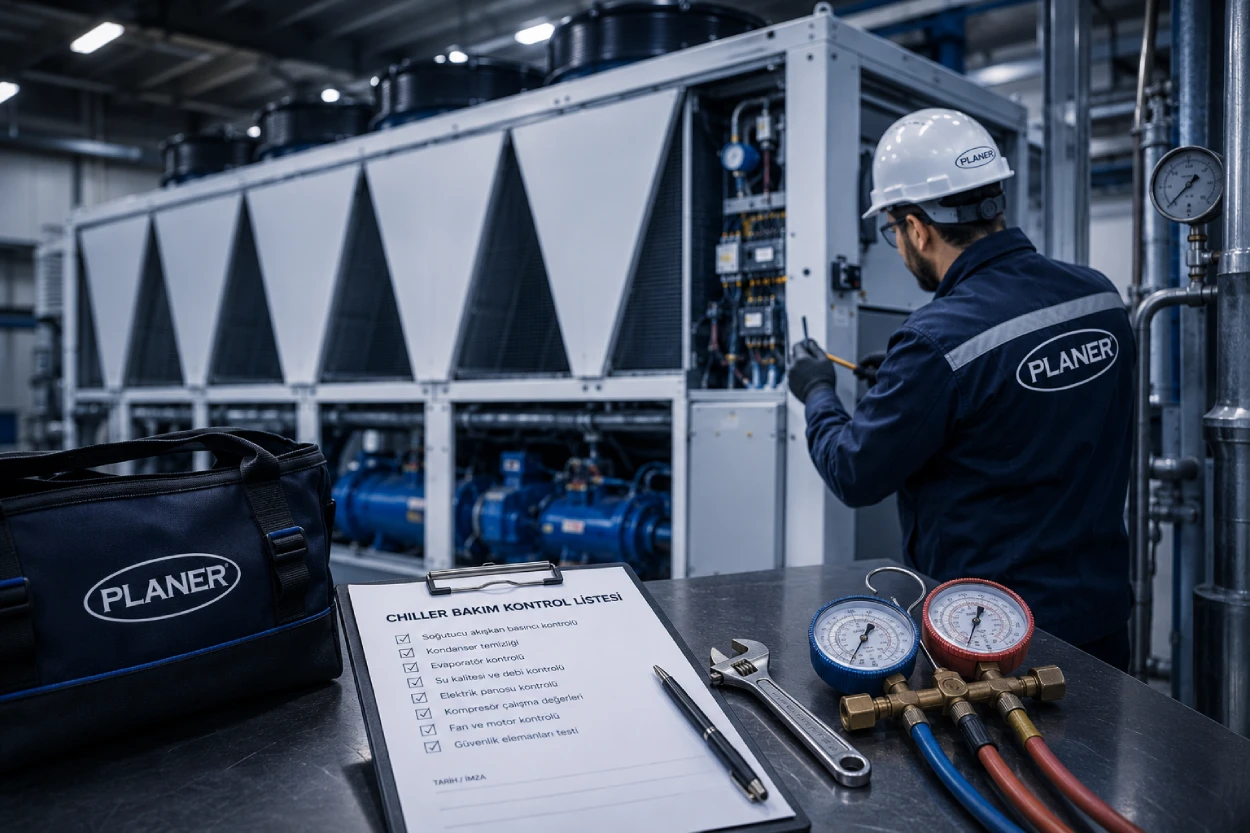
Chiller Maintenance: The Complete Periodic Maintenance Checklist
A daily, monthly and yearly chiller maintenance checklist covering condenser cleaning, leak detection and water checks to prevent chiller breakdowns.
Read more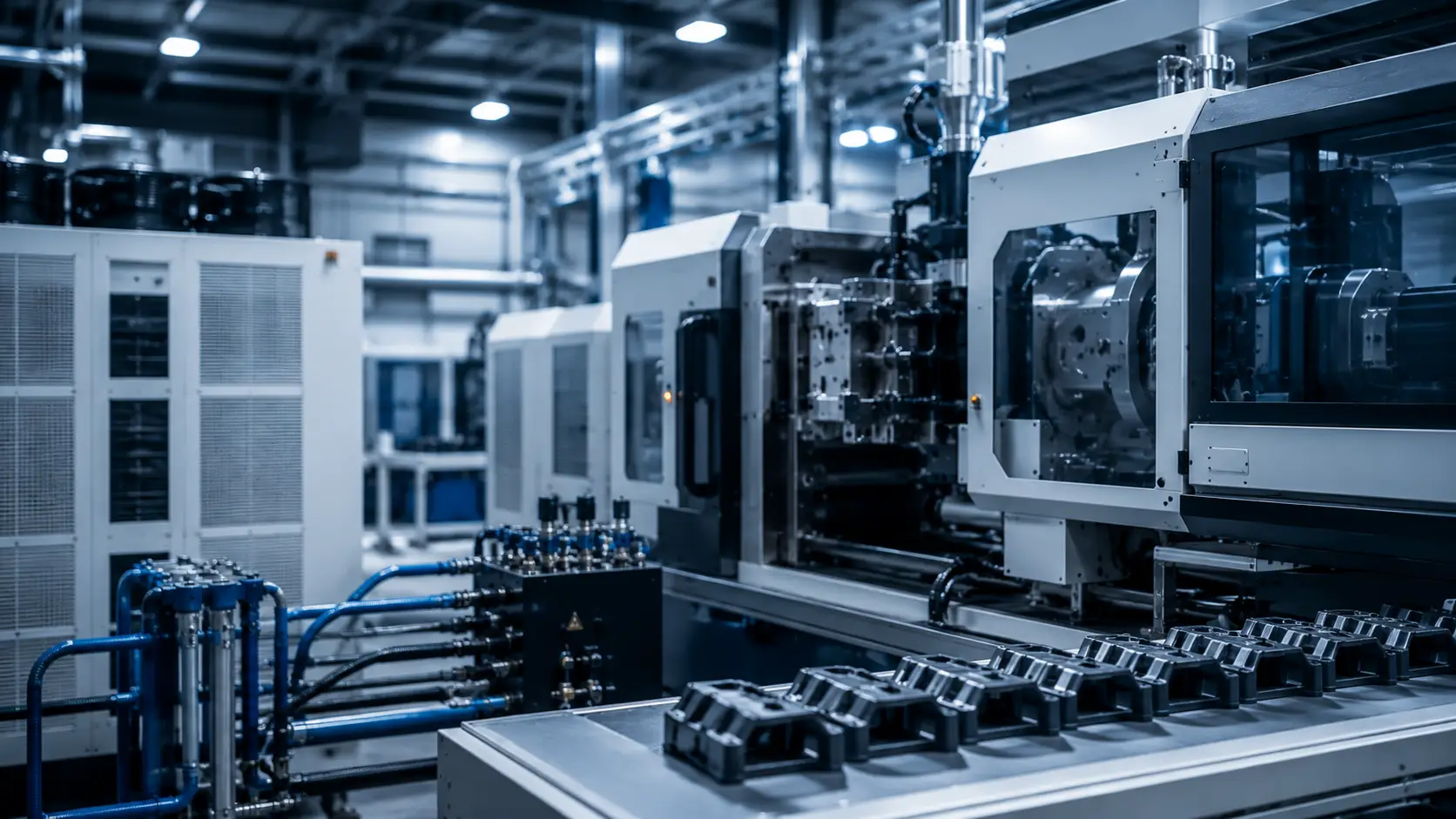
Chiller Mold Cooling for Plastics: Cycle Time and Quality
Stable mold cooling in plastic injection and extrusion: how the right chiller, water quality, ΔT and flow selection shape cycle time and scrap rate.
Read more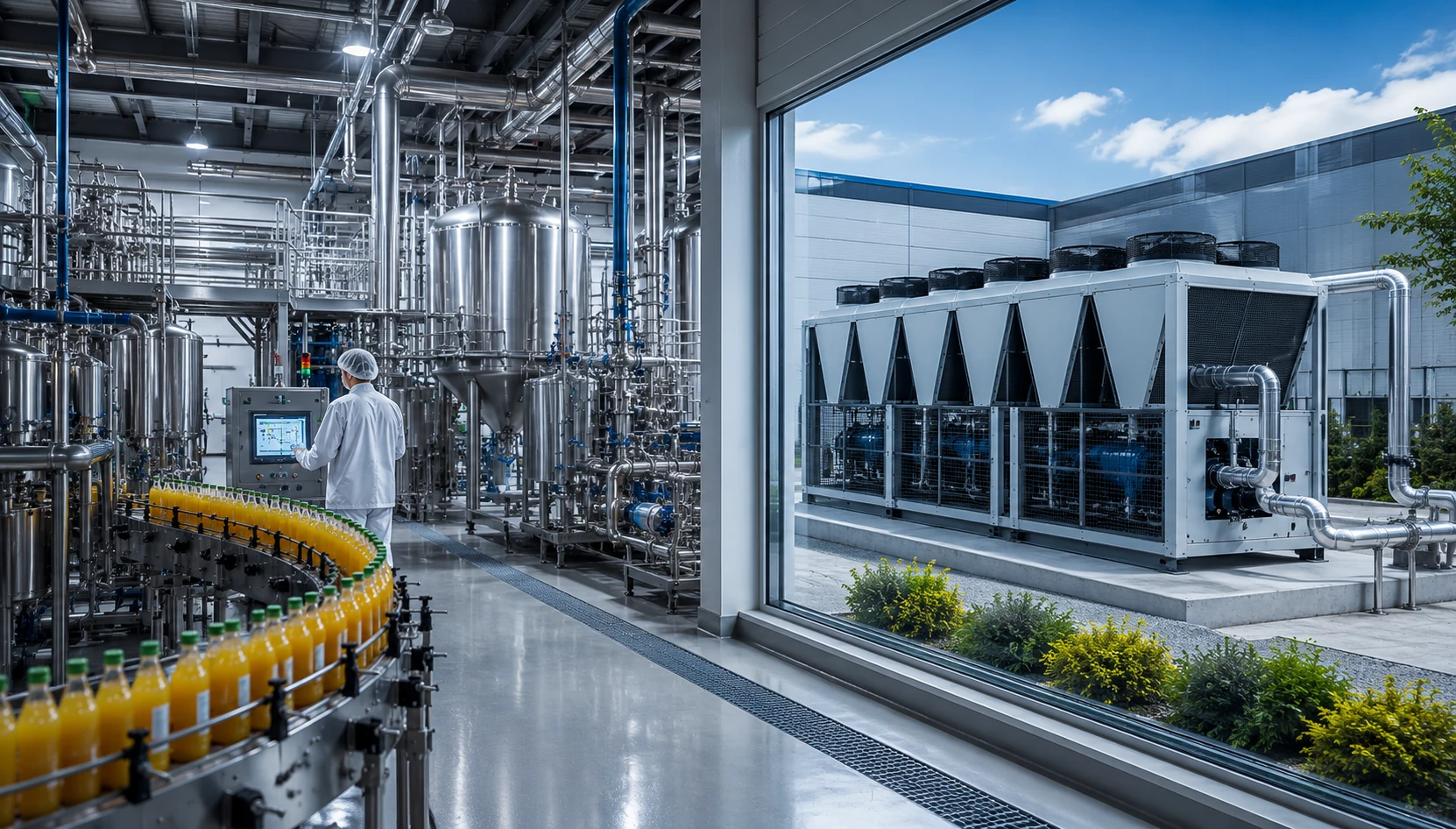
Food Industry Cooling: A Process Chiller Guide for Food Production
Food industry cooling solutions protect product quality and safety with fast, stable process cooling after cooking, pasteurization, and fermentation.
Read moreHave a cooling question?
Our engineers are happy to help — whether you're specifying a new system or optimising an existing one.